November 18, 2026
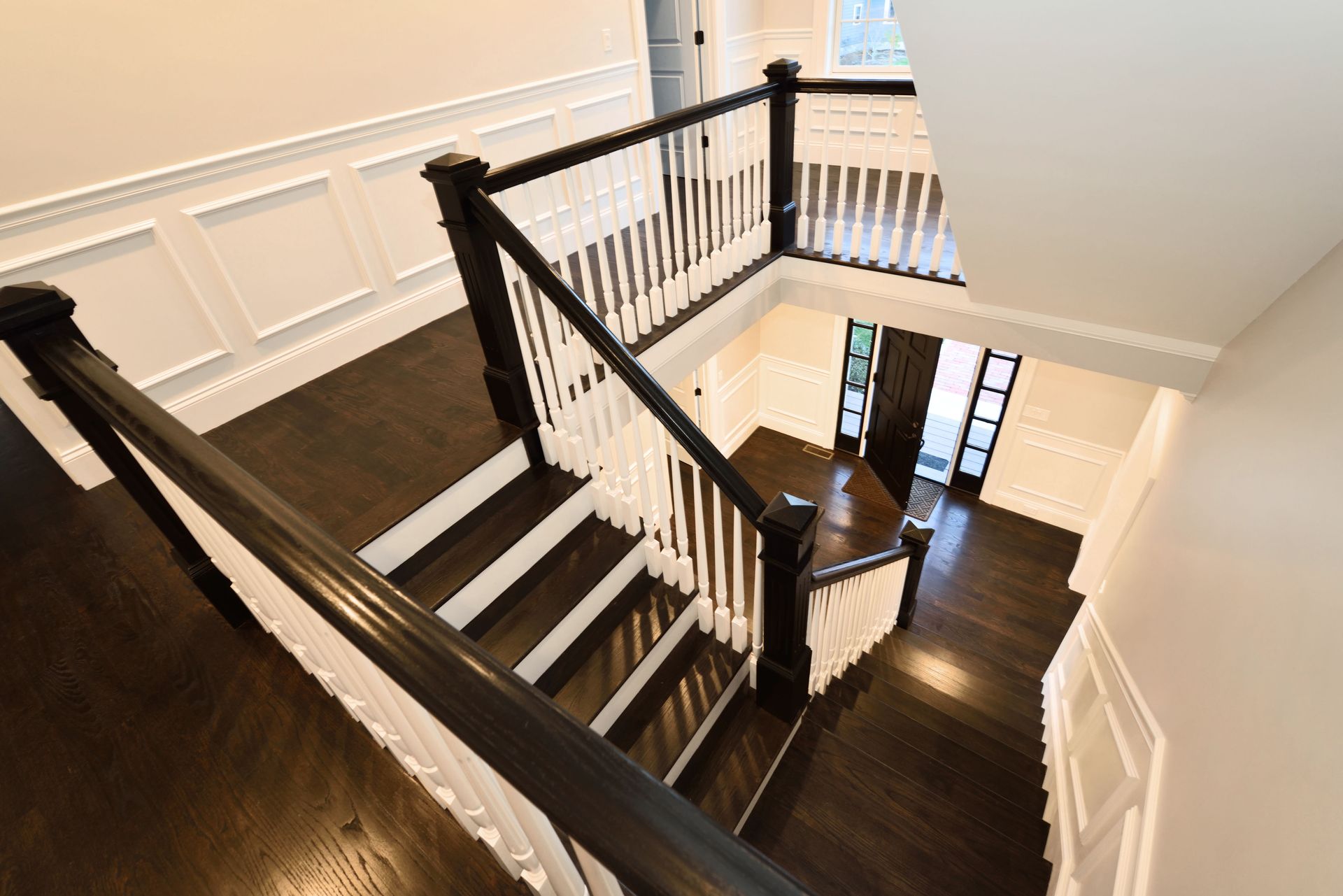
A new railing can make a staircase easier to navigate while giving an entryway, hallway, or outdoor approach a more finished appearance. Measurements, mounting surfaces, household access, and finishing details all deserve attention before the crew arrives. Preparing in advance helps homeowners avoid last-minute decisions and gives installers a safe place to work. Whether the project involves replacing an old handrail or adding custom metalwork, a few practical steps can make installation more predictable.
Inspect the Staircase and Existing Supports
Start by looking closely at the steps, landings, and surrounding surfaces. Loose treads, cracked concrete, soft wood, or damaged trim may affect how a new railing can be attached. Note where the existing handrail wobbles, where paint has peeled, and whether moisture has affected exterior materials.
A professional should determine whether the staircase and its proposed mounting points can support the new system. Do not assume that old anchors or posts can be reused simply because they remain in place. If repairs are needed, address their scope before scheduling stair railing installation. Photographs help everyone discuss the same concerns, particularly when fabrication and installation happen on different days.
Confirm Measurements and Local Requirements
A rough measurement is useful for planning, but final dimensions should come from the installer or fabricator. Stair angles, landing transitions, wall conditions, and the location of each post affect the fit. Even stairs that appear straight can have small variations that matter when metal components are made to order.
Ask which building requirements apply to the project. Rules for handrail height, graspability, guard openings, and permitted attachments depend on the location and type of staircase. Requirements for a private residence may differ from those for a commercial property. Before approving a custom design, confirm who will verify applicable codes and whether permits or inspections are necessary. The goal is a railing that looks appropriate and provides dependable support, not merely one that fits between two walls.
Select Materials and Finishes With Daily Use in Mind
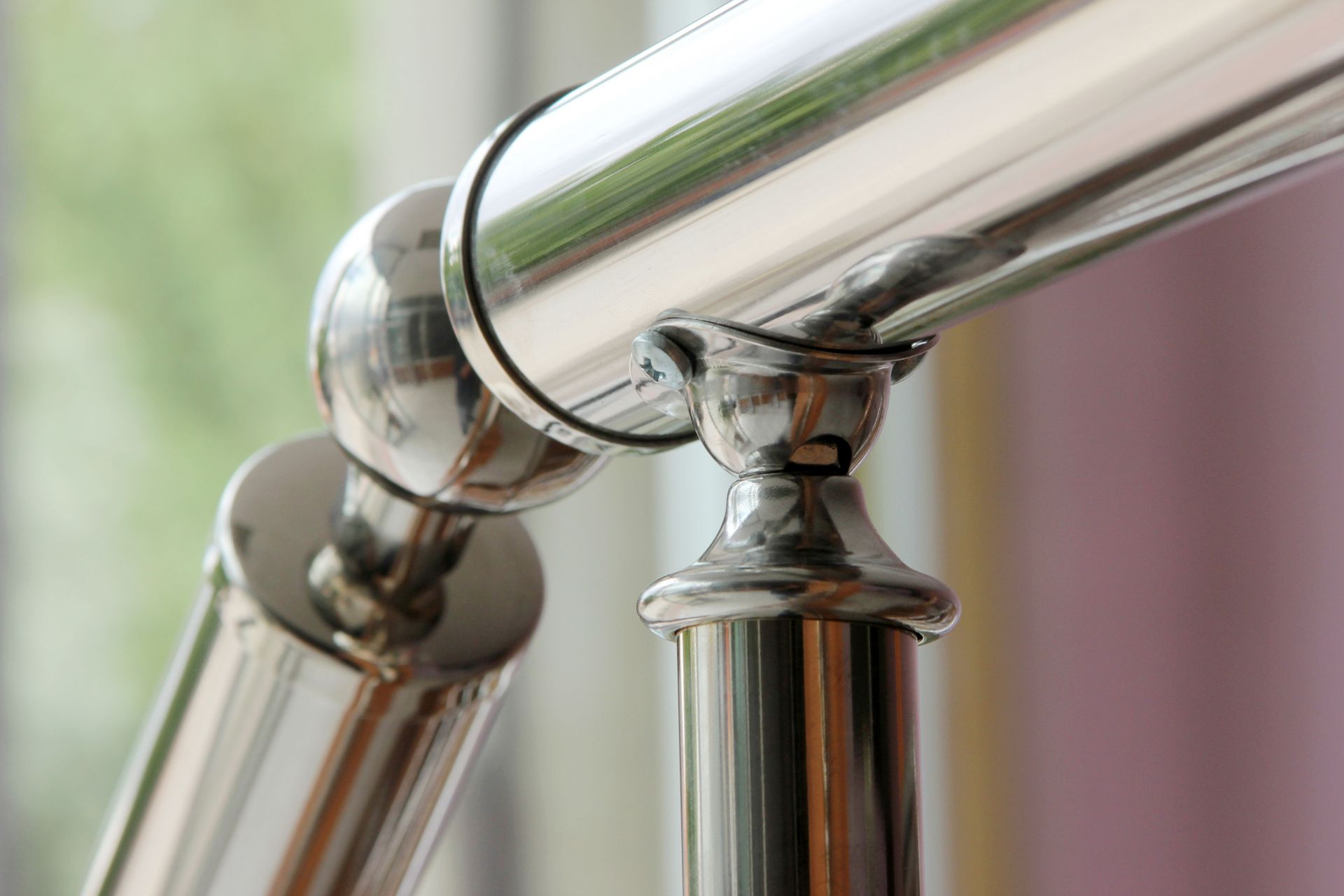
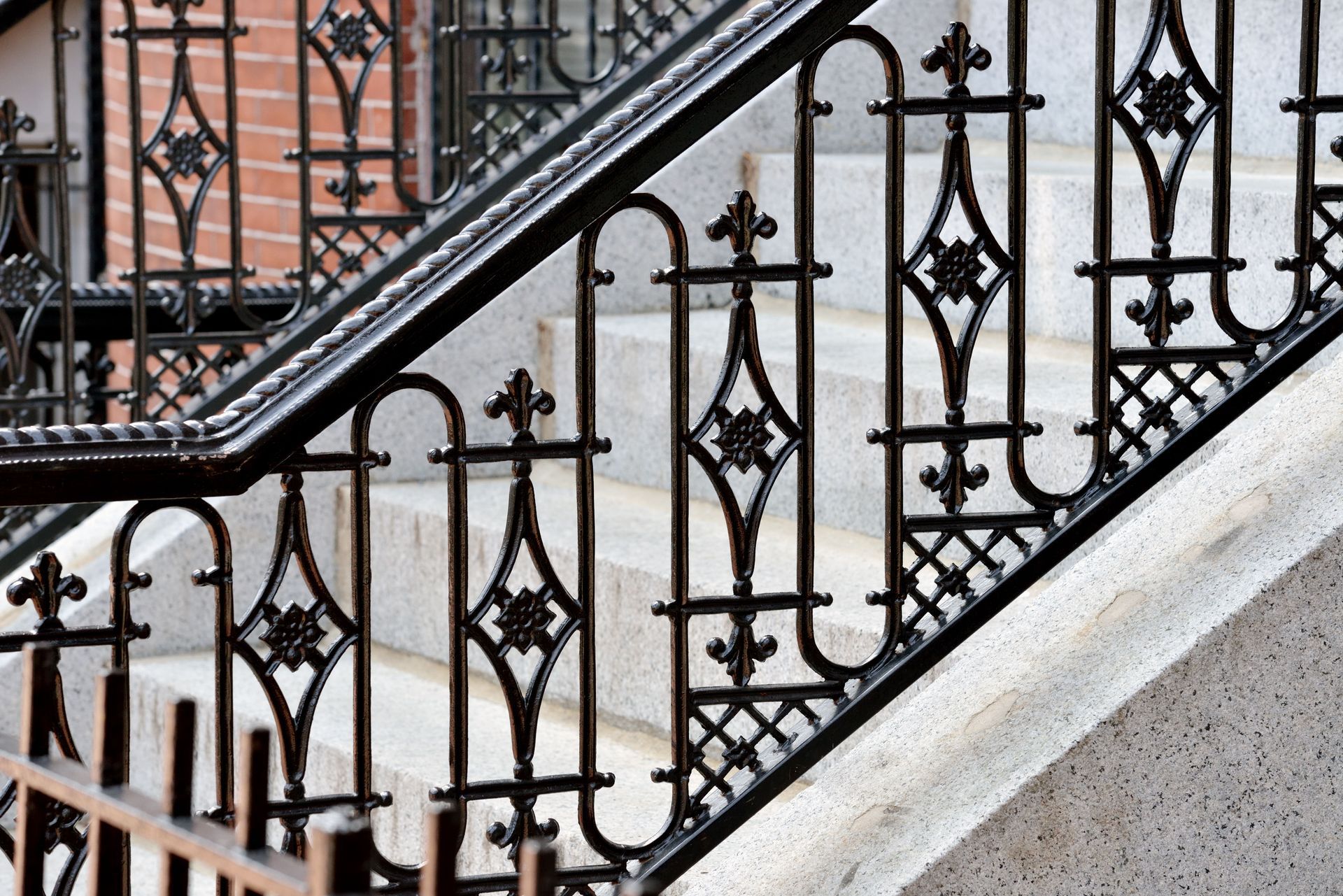
Metal, wood, glass, and mixed-material systems create different visual effects and maintenance needs. Powder-coated steel can suit traditional or modern interiors, while stainless steel may appeal to homeowners seeking a different finish and appearance. Glass infill can preserve sightlines but shows fingerprints and requires cleaning. For exterior use, exposure to rain, road salt, and changing temperatures should influence the materials and protective coatings selected.
Think about how people use the stairs. A comfortable, continuous handhold and a layout that does not interfere with walking space matter more than an elaborate pattern. If the stair railing is custom-made, review drawings, finish samples, and the placement of decorative elements before fabrication begins. Confirm what is included in the proposal so expectations remain clear.
Set a Realistic Installation Schedule
Ask the contractor to explain the difference between fabrication time and the time spent installing the railing at the property. Custom metalwork may require measuring, cutting, welding, finishing, and curing before any on-site work can begin. Removing a damaged railing or correcting an unsuitable mounting surface can also add steps.
According to HomeAdvisor, stair railing installation usually takes between 5 and 10 hours. That estimate is a starting point, not a promise. Curved stairs, difficult access, extensive removal, or unexpected repairs may extend the on-site work. Ask when the stairs will be unavailable, whether the crew expects to return for adjustments, and what conditions could change the timetable. Clear expectations help households plan around the disruption rather than rearranging their day at the last minute.
Clear the Route and Work Area
Installers need space to carry long sections, position equipment, and move safely around the stairs. Remove shoes, rugs, furniture, plants, and decorations from the work area and the path leading to it. Fragile artwork and anything mounted close to drilling locations deserve particular attention.
Discuss where workers can unload materials and store tools without blocking entrances or exits. For an exterior project, clear branches, garden hoses, and other obstacles near the steps. Good access matters for stair railing work because metal components may be heavy or awkward to maneuver. Homeowners should not move large fabricated pieces themselves unless the installer specifically requests assistance and explains a safe method. Keeping the area orderly gives the crew more room to focus on precise placement.
Protect Surfaces and Plan Alternate Access
Drilling, cutting, and removing old hardware can produce dust, noise, and debris. Ask what protective coverings the crew will provide for nearby floors, walls, and finished trim. Move valuables out of the area rather than relying on a drop cloth to protect everything. If the work involves welding or grinding on-site, the installer should manage fire hazards, ventilation, and shielding of surrounding materials.
The staircase may need to remain off-limits while the old railing is removed or the new one is secured. Plan a safe alternate route in advance, particularly for children, pets, visitors, or anyone who relies on a steady handhold. A stair railing project should never leave household members using unprotected steps without appropriate safety arrangements. Tell the contractor about access needs early so the installation sequence can account for them. Establishing boundaries before work starts is easier than improvising once equipment is in place.
Discuss Removal, Anchoring, and Cleanup
Before installation day, clarify whether the crew will remove the existing railing and how discarded materials will be handled. Old brackets can leave holes in walls or steps, and some surfaces may need patching or refinishing. Ask which repairs are included and which require another trade. If mounting into masonry, wood framing, or metal, the anchoring method must suit the substrate and the intended loads.
Professional installers should select appropriate fasteners and verify that the finished structure is secure. Homeowners should not attempt their own load tests by pushing hard on a newly installed handrail. Instead, ask the crew to explain how stability and code-related requirements will be checked. Good communication about stair railing attachments, surface repairs, and cleanup helps prevent surprises at the end of the project. It also makes clear who is responsible if a concealed condition is discovered during removal.
Review the Finished Work and Learn the Care Routine
Once installation is complete, walk through the results with the contractor before the crew leaves. Look for visible alignment problems, damaged finishes, sharp edges, or gaps that differ from the approved design. Ask the installer to demonstrate the handrail's stability and explain any final inspections that may be required. If a concern remains, document it and agree on how it will be resolved rather than assuming it will correct itself.
Maintenance depends on the chosen material and finish. Painted or coated metal may need periodic cleaning and checks for chipped areas, especially outdoors. Fasteners and attachment points should be inspected if movement develops over time. Keep the design documents, warranty information, and any maintenance instructions in a place you can find later. Those records will help with future repairs or refinishing and preserve a useful history of the work.
Prepare for a Smooth Installation
Thoughtful preparation makes a new railing project easier to coordinate and helps protect the surrounding home. Confirm measurements, resolve structural concerns, choose a practical design, and agree on access arrangements before installation day. For guidance on custom
stair railing options and the steps involved in fitting them to your property, contact Alberona Iron Works Inc. to discuss your project and its requirements.