November 2, 2026
Selecting the appropriate material for an upcoming architectural project represents one of the most critical decisions a property owner or developer can make. A railing system serves as much more than a basic safety perimeter; it defines spatial aesthetics, dictates long-term structural integrity, and heavily influences routine operational costs. Whether designing a high-end luxury residential terrace or outfitting an expansive commercial building, understanding how raw materials perform under varying physical stresses allows for far better outcome forecasting.
Evaluating structural performance requirements necessitates a holistic view of the entire building environment. Modern property developments require materials that harmonize with existing architectural motifs while providing uncompromising strength against lateral pressure and daily wear. High-traffic commercial venues require vastly different performance characteristics than quiet suburban homes, forcing designers to balance physical resilience against ongoing labor demands. Additionally, regional climate conditions like intense solar radiation or high ambient moisture levels play a massive role in long-term material failure rates.
Evaluating Traditional Wood and Synthetic Composite Materials
Wood stands as a time-tested selection for property boundaries, revered across generations for its organic warmth, customizable surface finishes, and timeless architectural appeal. Standard lumber choices allow for unmatched stylistic flexibility, enabling intricate custom carving, staining, or painting to match virtually any exterior color palette. However, natural wood inherently demands continuous maintenance cycles to counteract biological decay, insect damage, and moisture absorption. Exposure to direct sunlight and severe temperature shifts can quickly lead to warping, splintering, or surface fading if protective sealants are not regularly reapplied. Homeowners and commercial site directors who choose natural timber must be fully prepared to commit to routine physical upkeep and ongoing maintenance budgets over the entire lifespan of the structure.
Synthetic composite solutions have emerged as an advanced alternative, combining recycled timber fibers with refined polymer resins to mimic natural grain patterns without structural vulnerabilities. These engineered boards deliver exceptional resistance to heavy rain, direct ultraviolet radiation, insect infestation, and persistent rot. Because the color pigments are fully integrated during the manufacturing process, composite systems eliminate the continuous need for surface sanding, staining, or painting. Although composite systems require higher initial capital investment compared to basic pressure-treated lumber, their total cost of ownership often proves far lower across several decades. Property managers seeking the classical warmth of natural timber without continuous labor find synthetic engineered boards an exceptionally prudent long-term investment.
Integrating High-Strength Metal and Frameless Glass Systems
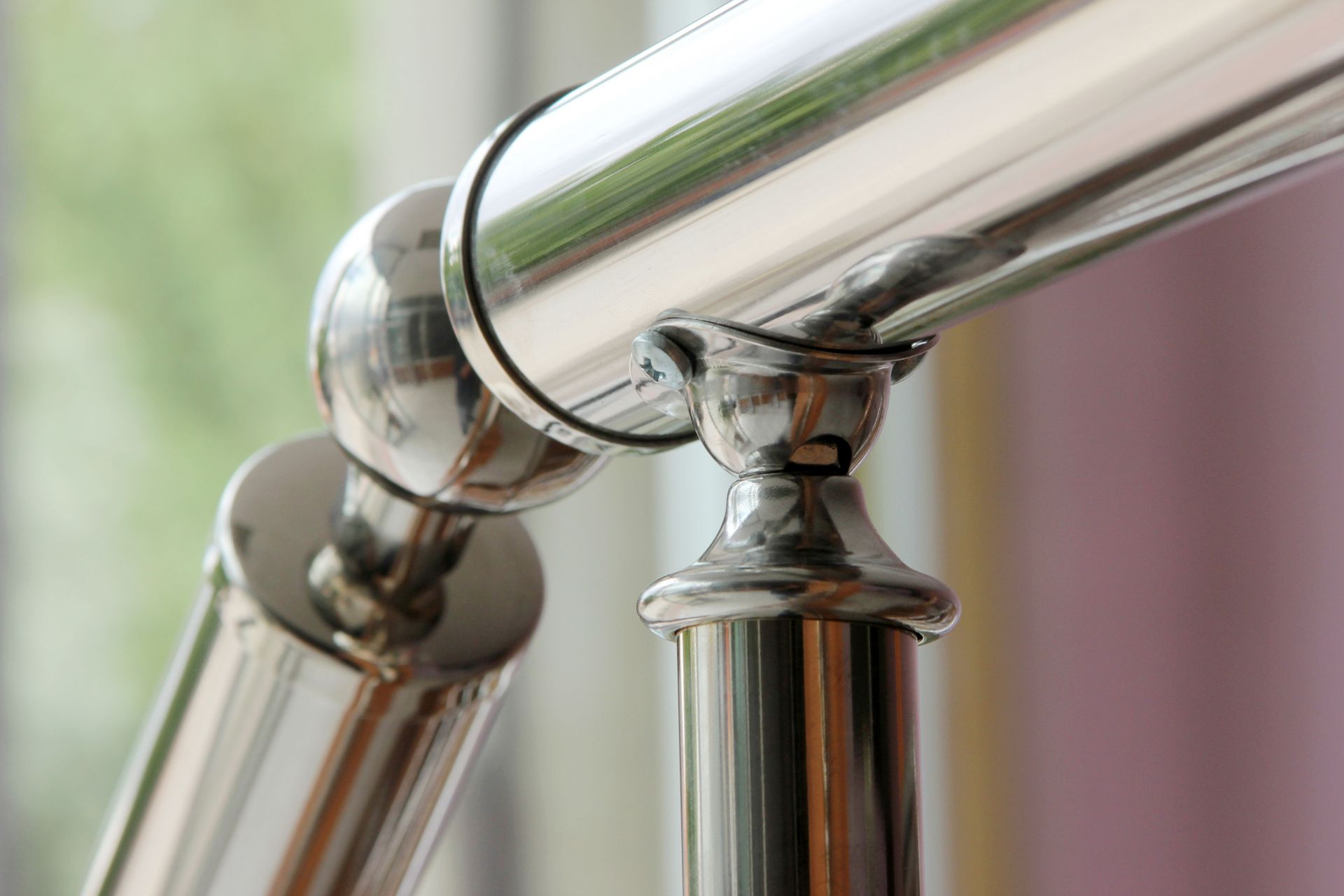
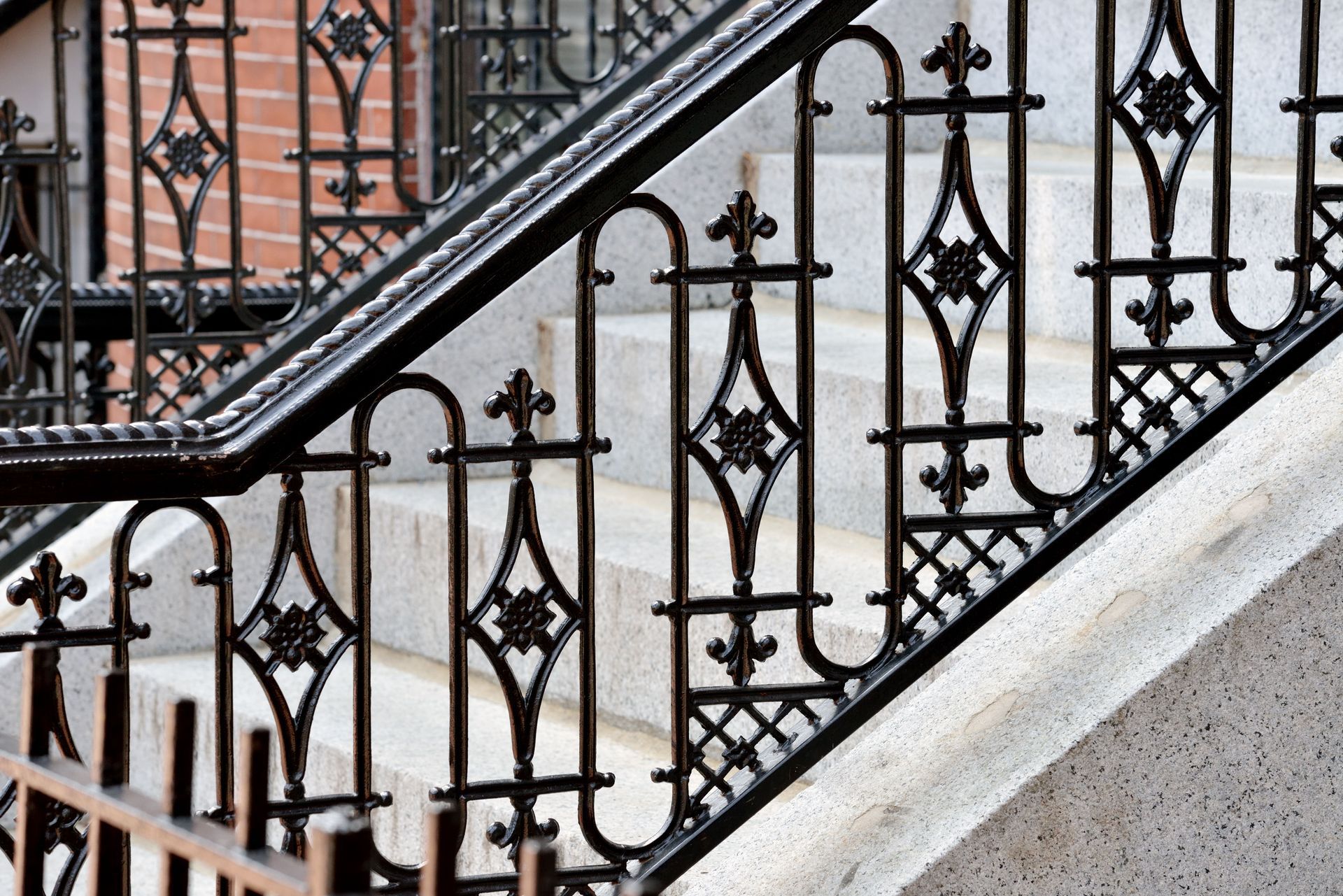
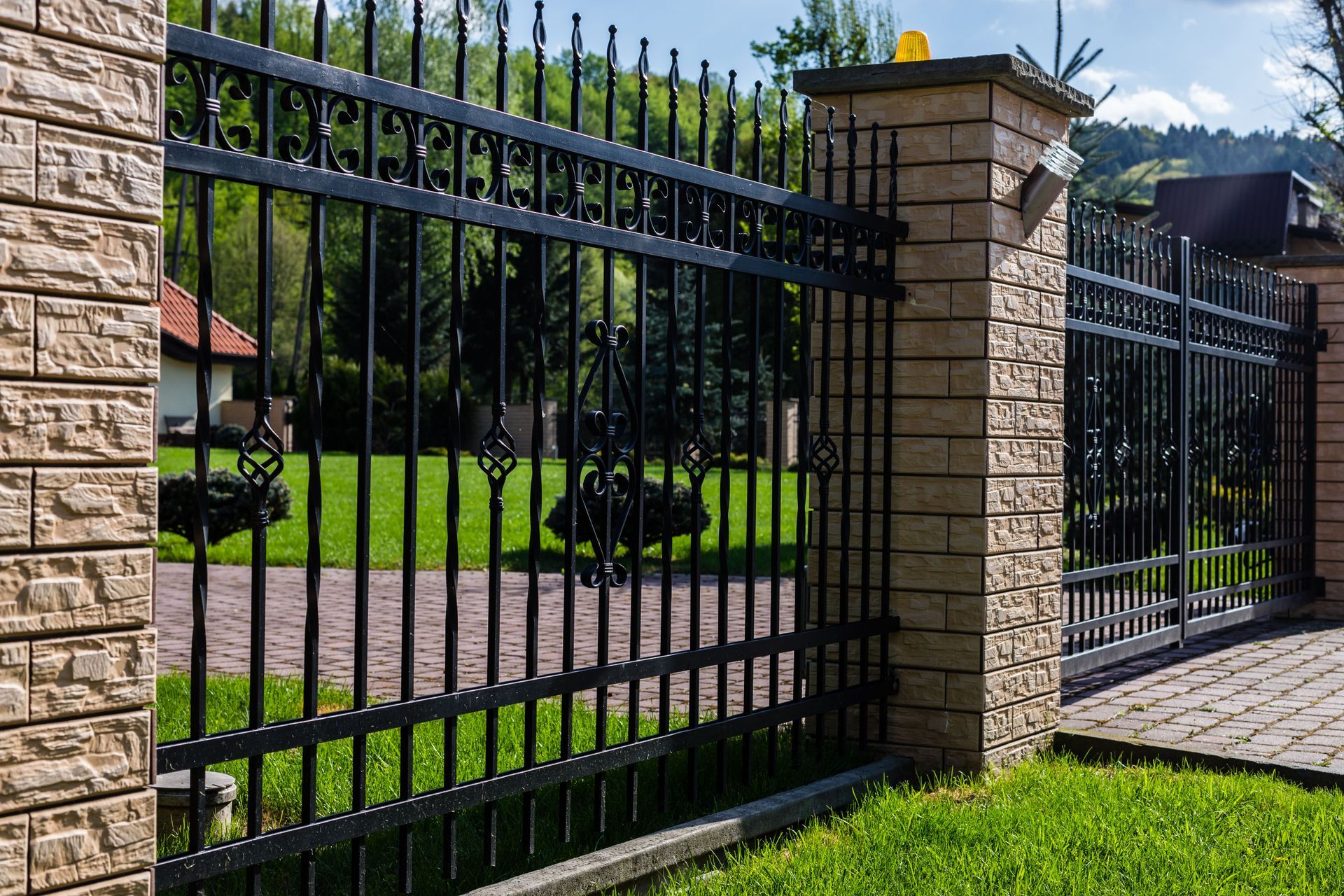
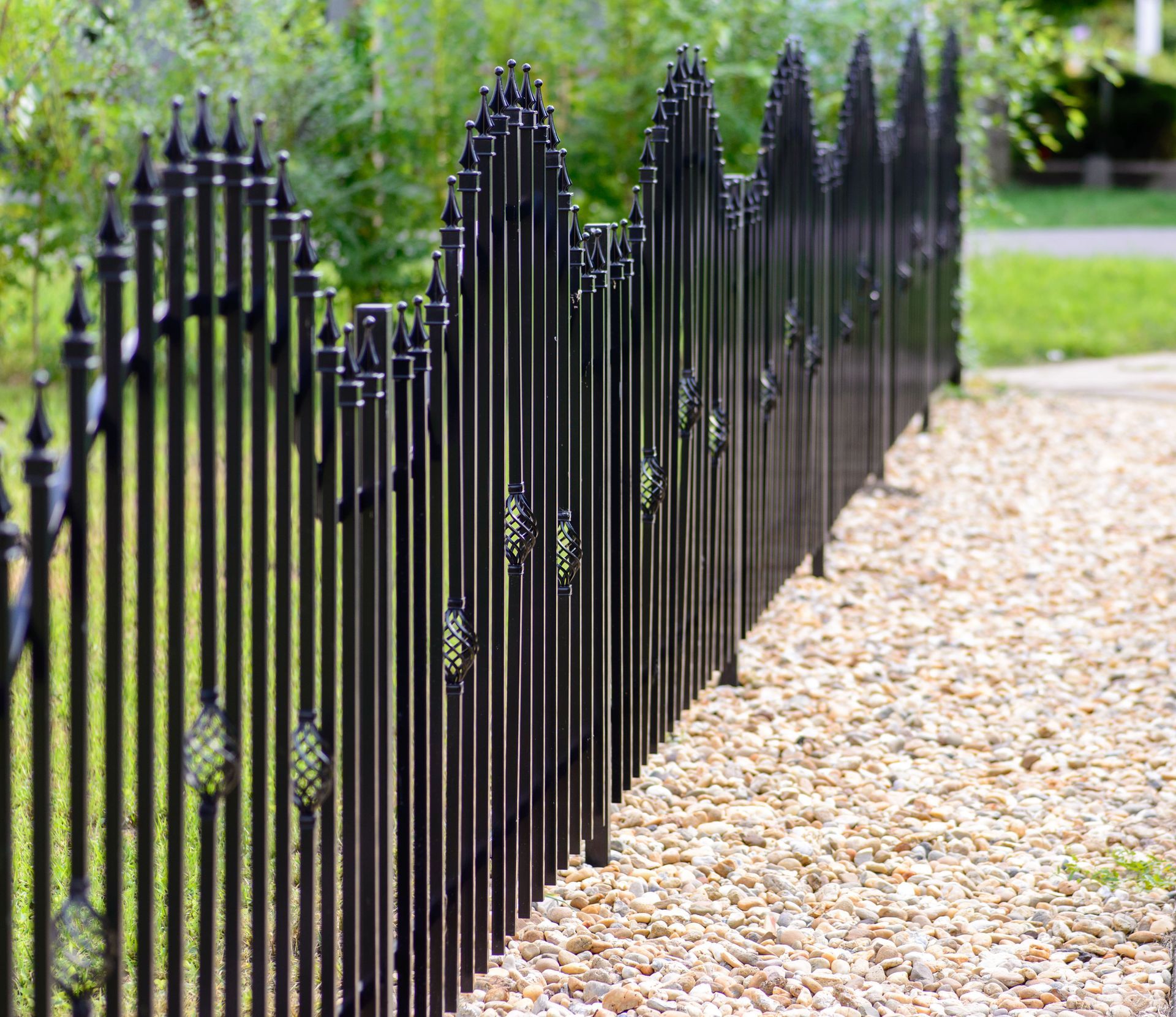
Engineered metal configurations offer exceptional structural strength and longevity, making them a preferred choice for modern architectural projects and commercial developments. Industrial-grade stainless steel and extruded aluminum deliver high resistance against physical impacts, lateral forces, and harsh environmental weathering. Modern powder-coating techniques further shield raw metal components from moisture oxidation, preventing surface rust and structural degradation even in salt-laden coastal regions. While customized steel fabrication requires significant initial expenditure, the minimal upkeep requirements and exceptional lifespan make high-grade metals a financially sound selection. These rigid materials easily accommodate contemporary minimalistic designs while maintaining continuous structural integrity across decades of heavy use.
Frameless glass panels provide an ultra-modern aesthetic that elevates architectural sophistication while offering completely unobstructed sightlines across scenic landscapes or interior spaces. Structural tempered glass panels deliver remarkable physical strength, capable of withstanding heavy wind loads and direct physical impacts safely. However, glass installations demand high precision during initial structural mounting, alongside routine cleaning schedules to eliminate water spots, smudges, and accumulated surface dust. Despite higher material pricing and specialized installation requirements, glass barriers create an unparalleled sense of open space and luxury. Commercial venues and high-end residential estates often choose glass structures to maximize natural light distribution while preserving expansive panoramic views.
Balancing Project Budgets and Total Ownership Expenditures
Managing total project costs requires analyzing both immediate capital outlays and long-term operating costs across the full lifespan of the installed structural boundary. Upfront material costs represent only a portion of the financial equation, as long-term maintenance, protective treatments, and potential component replacements significantly impact overall expenditure. Inexpensive raw options may initially appear attractive to budget-conscious developers, yet frequent sanding, painting, or moisture repairs rapidly erase those upfront savings. Investing in higher-grade, weather-resistant materials reduces future maintenance demands, ultimately lowering total lifecycle costs.
Conducting a thorough cost-benefit analysis prior to purchasing materials prevents unexpected financial burdens down the road.
Beyond basic maintenance expenses, material longevity directly influences future property market value and real estate appeal. High-grade metal, glass, and composite installations frequently enhance architectural appeal, serving as attractive selling points for prospective commercial buyers or residential tenants. Conversely, deteriorated or poorly maintained structural boundaries can diminish a property's market value and create immediate liability concerns during buyer inspections. Real estate investments benefit significantly from durable material selections that retain structural integrity and visual appeal across changing market cycles. Property owners who align material selection with realistic financial modeling ensure reliable functional performance and optimal long-term investment returns.
Minimizing Ecological Impact and Manufacturing Emissions
Selecting sustainable building materials has become an essential priority for modern real estate developments aiming to reduce overall environmental impact. Reclaimed timber, structural bamboo, and highly recyclable metals offer excellent alternatives that lower the depletion of natural virgin resources. Metals like aluminum and stainless steel can be endlessly melted down and re-engineered without losing structural strength, contributing directly to circular economy initiatives. By sourcing locally harvested or post-consumer recycled materials, builders drastically reduce transport-related carbon emissions and regional environmental disturbance. Sustainable material selection allows commercial developers to achieve prestigious green building certifications while actively supporting modern environmental goals.
Evaluating the total environmental footprint of a material requires examining energy consumption throughout manufacturing, transport, usage, and eventual end-of-life disposal. On the flip side, manufacturing vinyl or newer composites may entail significant emissions, offset by their longevity and low maintenance. According to Grand View Research, The Global Railing Market is expected to grow 5.0% from 2024 to 2030, underscoring the importance of evolving toward sustainable practices. By prioritizing materials that offer durability with lower carbon emissions, builders can embrace responsible environmental stewardship. Investing in clean manufacturing processes ensures modern architectural projects achieve superior physical performance while minimizing ecological footprint.
Assessing Professional Installation and Structural Safety Standards
Ensuring structural stability and strict adherence to regional safety standards requires deep expertise throughout the architectural construction phase. Complex installations demand specialized equipment, precise field measurements, and careful compliance with local safety regulations regarding height, post spacing, and lateral load capacities. Attempting to manage complex architectural installations without professional guidance frequently results in structural weakness, regulatory compliance failures, and severe safety hazards. Professional construction crews possess the specialized technical knowledge required to securely anchor structural support posts, align glass panels, and integrate specialized mounting hardware safely. Partnering with licensed installation specialists guarantees total safety compliance and protects property investments.
Professional construction teams streamline project completion timelines while eliminating common installation errors that lead to premature material failure. Expert installers quickly identify subtle structural issues, such as uneven substrate surfaces or hidden moisture vulnerabilities, addressing them before final hardware mounting. Furthermore, professional installation services generally include comprehensive warranties covering both craftsmanship and underlying raw materials, offering property owners complete long-term peace of mind. Working alongside experienced structural contractors ensures every component is installed according to exact manufacturer specifications and municipal code standards. Prioritizing certified expert installation guarantees long-lasting boundary stability, optimal functional performance, and complete safety compliance.
Upgrading Your Property With Professional Boundary Solutions
Selecting the ideal architectural boundary material requires balancing visual design preferences, structural safety, environmental sustainability, and long-term financial maintenance goals. Every material option offers unique advantages tailored to specific structural applications, geographical climates, and architectural themes.
Are you ready to transform your property with a stunning, high-durability railing system tailored perfectly to your custom architectural vision? Contact Alberona Iron Works Inc today to schedule a comprehensive consultation with our team of elite structural installation specialists. Our experienced design professionals will guide you through our premium material options, conduct complete structural evaluations, and deliver a precise, tailored quote for your project. Do not settle for substandard boundary materials or compromised structural safety when expert guidance is just a call away.