March 30, 2026
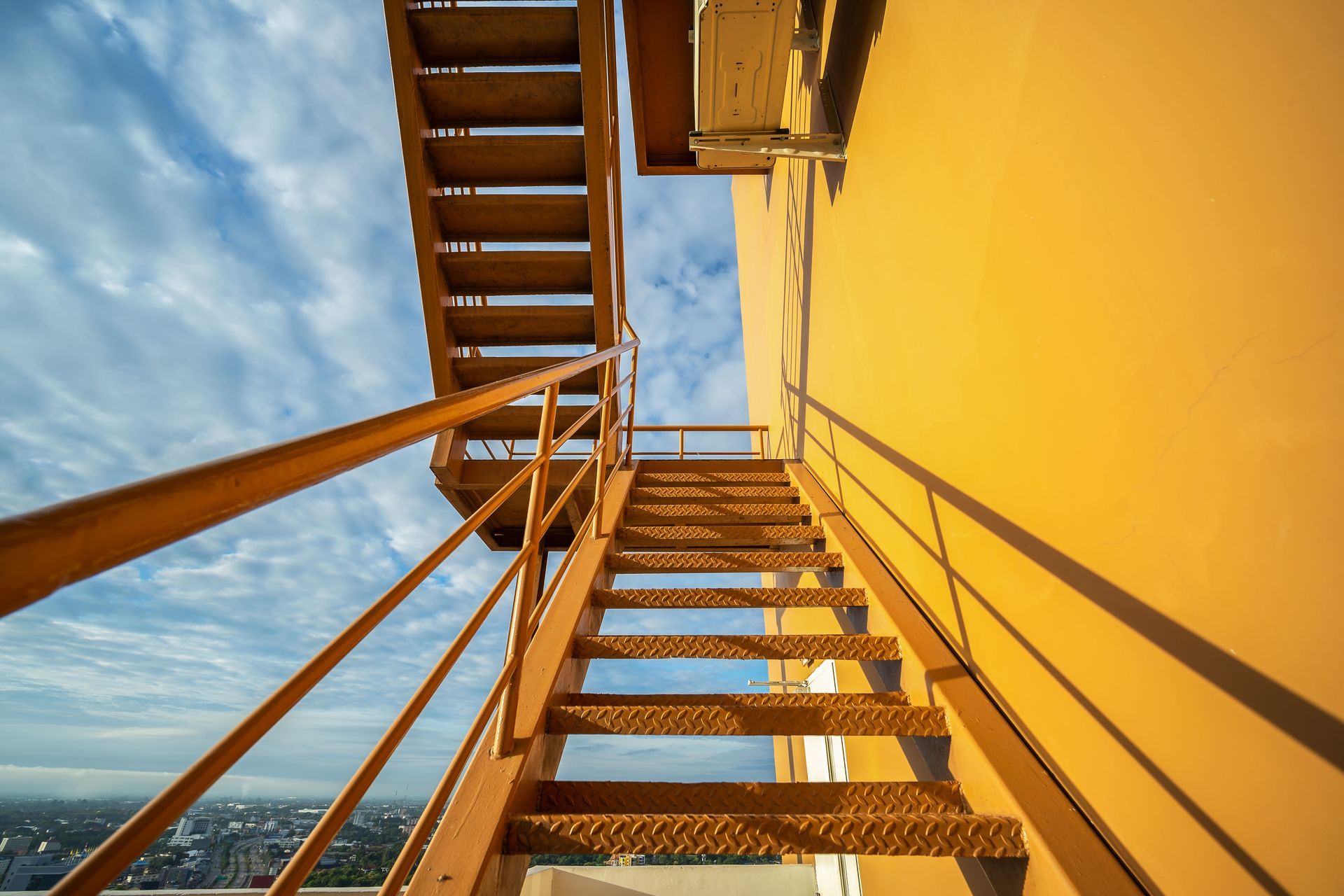
Older buildings carry a unique and irreplaceable charm that tells stories of the past and embodies cultural significance. However, as these edifices age, they often present a variety of safety challenges that need to be addressed to keep them viable for future generations. A crucial element in ensuring safety within these structures is the presence of reliable emergency exits. These are not just regulatory requirements; they are lifelines in times of crisis. Fire escapes, in particular, are essential as they offer a secure path of egress during emergencies. By understanding their paramount importance and incorporating modern solutions, we can retain the historical value of these buildings while ensuring they are safe and fully functional for occupants.
1. Understand Fire Safety Regulations
Present-day fire codes are designed with the foremost objective of protecting building occupants and ensuring structured evacuation during emergencies. Unfortunately, many of the older buildings we admire today were erected before such advanced codes were established, posing significant compliance issues. It is imperative to stay informed about the latest regulations and to implement code-compliant fire escapes. This not only protects everyone within the building but also aligns the historic structures with contemporary safety standards effectively.
2. Overcome Compliance Challenges
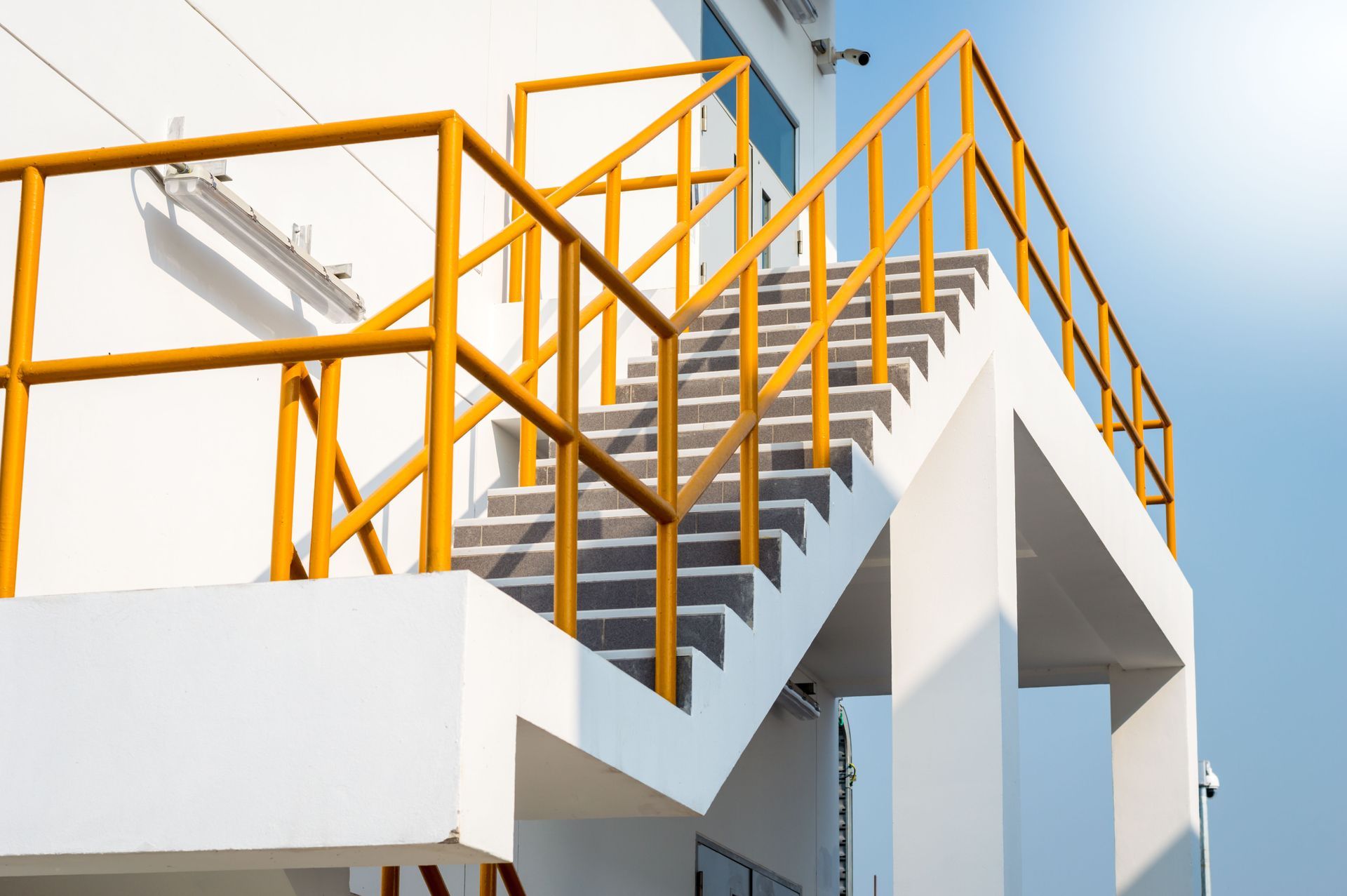
The task of upgrading older buildings to meet current safety standards is often hindered by structural limitations, historical modifications, and budget constraints. However, employing innovative solutions, such as custom steel stairs or reinforced window exits, can make the addition of a modern fire escape feasible. Importantly, these solutions maintain the building's structural integrity and historical value. Expert guidance is crucial in this process to ensure that buildings meet regulations efficiently and effectively, while also preserving their unique characteristics.
3. Enhance Overall Safety
Emergency exits that have been upgraded in accordance with modern designs significantly improve the overall safety of a building. These upgrades enhance accessibility and shorten evacuation times, thereby reducing risks in emergencies. Furthermore, they support multi-level egress, which is especially critical in buildings that have intricate layouts or narrow corridors. These improvements provide assurance and peace of mind to the residents and tenants who rely on these modified exams to lead them to safety during emergencies.
4. Fulfill Legal Responsibilities
Building owners are under a legal obligation to maintain proper fire safety standards. Neglecting these duties can lead to fines, increased insurance premiums, or even litigation. Installing and maintaining reliable emergency exits ensures that building owners meet their legal obligations while also protecting the lives of occupants. Collaborating with safety experts helps navigate through complex regulations and safeguard against potential legal and financial repercussions.
5. Address Structural Vulnerabilities
In older buildings, the passage of time may result in weakened materials, outdated construction techniques, or even deferred maintenance, all of which pose significant safety risks. Regular structural assessments are crucial as they help identify vulnerabilities before they turn into major safety hazards. Proactively reinforcing critical areas and installing robust fire escapes not only enhances safety but also fortifies the building's resilience against potential future threats.
6. Reduce Fire Risks From Flammable Materials
Historic structures often contain highly flammable materials, such as wooden beams, outdated insulation, or decorative wallpapers. Identifying these elements and replacing them with fire-resistant alternatives can dramatically reduce potential hazards. Coupling these safer materials with reliable fire escapes significantly mitigates fire risks, thereby enhancing overall safety and preservation efforts in historic buildings.
7. Correct Design Flaws Impacting Egress
The design of older buildings can often include narrow hallways, obstructed exits, and insufficient signage, all of which can impede the efficiency of evacuations during emergencies. Retrofitting these structures with properly placed fire escapes, window guards, and clear stairways greatly improves the efficiency and safety of egress. Thorough and thoughtful planning ensures that occupants can exit quickly and safely during emergencies, minimizing panic and maximizing safety.
8. Integrate Modern Technology
The integration of modern technology into fire safety systems has become increasingly important. Innovations such as smart sensors and automated emergency lighting enhance the functionality and effectiveness of a fire escape. Coupling these technologies with systems like alarms and automated sprinklers adds multiple layers of protection, maximizing safety without detracting from the building's historical character or aesthetic value.
9. Preserve Aesthetic and Historical Integrity
Maintaining a balance between historical preservation and modern safety measures is crucial. Collaborating with architects and preservationists ensures that safety upgrades, such as aesthetically complementary custom fire escapes, decorative railings, and steel stairs, do not detract from a building's historical charm. These elements are designed to harmonize with the existing architecture, ensuring safety while preserving the building's unique aesthetic and historical integrity.
10. Improve Emergency Response Outcomes
In the face of emergencies, having an efficient evacuation plan is paramount to ensuring the safety and well-being of individuals within a structure. A swift evacuation process can mean the difference between life and death, and well-equipped fire escapes play a vital role in facilitating this. Unlike primary exits that can quickly become congested during panic, emergency exits provide alternative pathways, significantly easing the evacuation process and allowing for a more orderly and efficient movement of people to safety.
According to The Zebra, an average of 358,500 homes experience a structural fire annually. This staggering number underlines the critical necessity of ensuring that all buildings, especially older constructions, are equipped with functional and reliable fire escape systems. Such systems are essential to safeguarding the lives of all occupants, including residents and visitors, by providing multiple avenues for escape in the event of a fire.
11. Enhance Insurance and Financial Benefits
Moreover, the implications of having an upgraded fire escape system extend beyond immediate safety considerations. From a financial perspective, modernizing fire safety infrastructure can have significant economic advantages. For instance, insurance companies often assess the risks associated with a building's fire safety features when determining premiums. Buildings equipped with state-of-the-art fire escape systems are often deemed to be at lower risk, subsequently making them eligible for lower insurance premiums.
Beyond reducing insurance costs, investing in fire safety upgrades can also mitigate potential legal liabilities. In the unfortunate event of a fire, having comprehensive and efficient escape routes can significantly reduce the likelihood of injuries or fatalities, which in turn reduces the risk of lawsuits and the associated legal fees. Additionally, well-maintained fire safety systems can minimize the extent of property damage that might occur during a fire, further lowering financial losses.
To make these critical safety upgrades more financially viable, building owners and managers can explore various financial assistance options. There are numerous programs, grants, and local preservation support initiatives available that are designed to aid in the implementation of fire safety improvements. By leveraging these resources, stakeholders can manage the upfront costs associated with upgrading fire escape systems, ultimately benefiting from long-term savings and enhanced safety.
12. Ensure Long-Term Maintenance and Value
Regular inspection and maintenance of emergency exits are vital to keeping them functional and compliant with safety standards. These practices protect occupants, preserve the historical value of the buildings, and enhance their overall reputation and desirability. Proactive planning and maintenance ensure that older buildings remain safe and functional for generations, continuing to be cherished assets of their communities.
With the understanding that a reliable fire escape is essential in protecting lives, preserving heritage, and ensuring regulatory compliance, Alberona Iron Works Inc specializes in customizing fire escapes, welding, repairs, and structural steel solutions, particularly tailored to historic and unique buildings. By blending safety, skilled craftsmanship, and modern innovations, we assist building owners in safeguarding their cherished properties while honoring their architectural legacies.